
Conditions in Care: Supporting Service Users with Alzheimer’s
Introduction to Alzheimer's

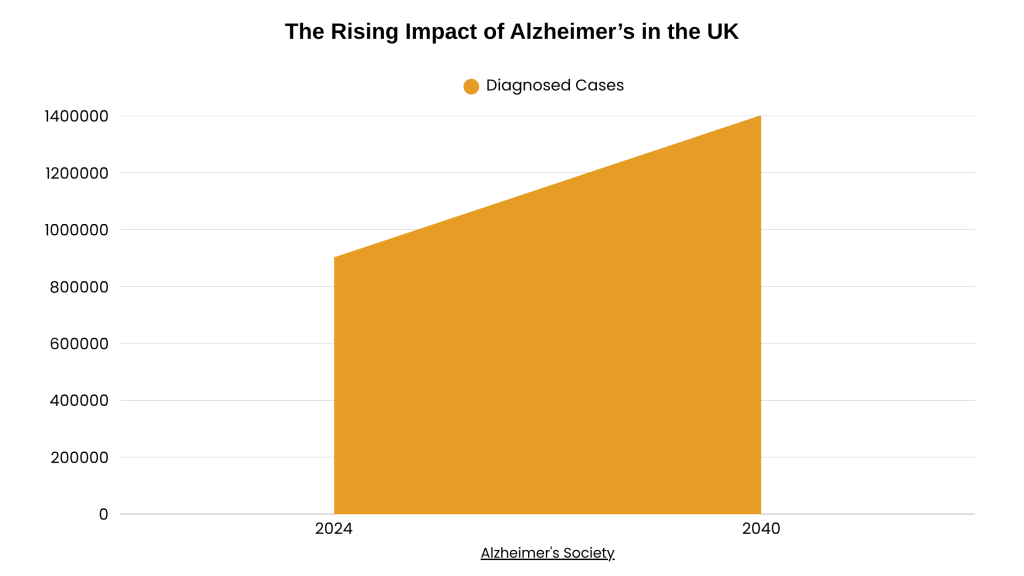
Alzheimer’s disease affects nearly 900,000 people in the UK, and this number is set to rise significantly over the coming decades. With its profound impact on cognitive function, emotions, and behaviour, Alzheimer’s can be an overwhelming diagnosis—not only for those living with the condition but also for their families and caregivers.
At
Care With Dignity Partnerships, we understand that caring for someone with Alzheimer’s requires patience, empathy, and specialised expertise. This blog provides insights into supporting service users with this condition, from prioritising person-centred care to implementing effective strategies that enhance the quality of life. Whether you’re a family member, a professional caregiver, or someone seeking assistance, this guide will help illuminate best practices in Alzheimer’s care.
Understanding Alzheimer’s: A Brief Overview
What is Alzheimer’s?
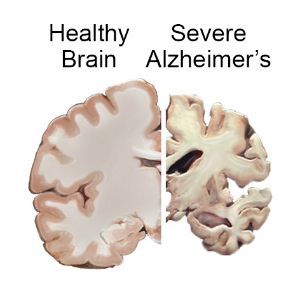
Alzheimer’s disease is a progressive neurological disorder and the most common cause of dementia. It primarily affects memory and thinking skills but can also impact a person’s behaviour and ability to perform routine tasks. As Alzheimer’s progresses, symptoms become more severe, requiring increasing levels of support and care.
Common Symptoms and Stages
Alzheimer’s symptoms vary between individuals, but some common signs include:
- Memory loss, particularly of recent events or newly learned information.
- Difficulty planning or solving problems.
- Disorientation to time and place.
- Challenges with communication or finding the right words.
- Behavioural changes, such as anxiety, aggression, and depression.
“Understanding the early signs of Alzheimer’s is crucial to tailoring effective and compassionate care.”
The progression of Alzheimer’s is often categorised into three stages:
- Early Stage: Mild memory issues and subtle changes in behaviour or mood.
- Middle Stage: Increased confusion, need for assistance with personal care, and noticeable cognitive decline.
- Late Stage: Severe impairment in communication and mobility, requiring full-time care.
-
Understanding these stages is critical to tailoring support that aligns with each Service user’s unique needs.
The Importance of Person-Centred Care
The foundation of effective Alzheimer’s care lies in adopting a person-centred approach. This means recognising the individuality of each service user, taking into account their preferences, history, routines, and cultural background. A one-size-fits-all strategy is ineffective when caring for individuals with Alzheimer’s, as their experiences and challenges are deeply personal.
“Person-centred care is not just a method—it’s a mindset that puts dignity at the heart of support.”
Person-centred care ensures dignity and respect for the individual, creating a more positive and empowering caregiving environment. By focusing on the person rather than just the condition, carers can help service users maintain their identity, independence, and a sense of purpose for as long as possible.
Strategies for Supporting Service Users with Alzheimer’s
Communication Techniques

Communication can be challenging for those with Alzheimer’s, but using the right strategies can make interactions more effective:
- Speak Clearly and Calmly: Use simple language and a reassuring tone.
- Maintain Good Eye Contact: This conveys attention and helps reduce confusion, but don’t hold it constantly.
- Be Patient: Allow the service user time to respond without interrupting.
- Use Non-Verbal Cues: Gestures and facial expressions can aid understanding.
- Avoid Corrections: Avoid arguing or correcting inaccuracies; it’s often better to validate feelings instead.
With these techniques, caregivers can foster meaningful connections and reduce frustration in day-to-day interactions.
Creating a Safe Environment
Safety is paramount when caring for individuals with Alzheimer’s, especially as the condition progresses. Consider the following strategies:
- Remove Hazards: Clear away trip hazards, lock cabinets containing harmful substances, and install grab rails where necessary.
- Use Visual Aids: Labels on cupboards and doors can help guide and orient service users.
- Monitor Wandering: Install alarm systems or GPS trackers to ensure safety for those prone to wandering.
Fostering a safe environment not only minimises risks but also supports a service user’s confidence to move independently.
Encouraging Daily Activities and Engagement
Participating in regular activities can enhance a service user’s quality of life by promoting physical fitness, mental stimulation, and social interaction. Some ways to achieve this include:
- Tailored Activities: Choose tasks that suit the service user’s abilities and interests, such as painting, gardening, or music therapy.
- Encourage Routine: A consistent schedule helps reduce anxiety and confusion.
- Social Interaction: Encourage group activities or visits from friends and family to maintain social bonds.
These activities are not just recreational; they play an essential role in preserving cognitive function and emotional well-being.
How Care With Dignity Partnerships Provides Specialist Alzheimer’s Care
Our Approach to Personalised Support
At Care With Dignity Partnerships, we are passionate about providing personalised, high-quality care to service users with Alzheimer’s. Our care plans are tailored to meet the unique needs and challenges of each individual, focusing on their strengths and ensuring that they feel heard, valued, and respected.
We take the time to learn about a service user’s past experiences, preferences, and routines to create a caring environment that feels as familiar and comforting as possible. This person-centred approach helps to reduce anxiety and confusion, promoting a sense of security and trust.
Training and Expertise in Dementia Care
Our care team undergoes thorough training in dementia care, equipping them with the expertise needed to address the complexities of Alzheimer’s. We cover areas such as effective communication, understanding the condition’s progression, and managing challenging behaviours compassionately.
By staying informed about the latest research and developments, we ensure that our methods remain up-to-date and aligned with best practices in Alzheimer’s care.
The Role of Family and Community in Alzheimer’s Support
Involving Family in Care Planning
Family members play an integral role in supporting Alzheimer’s care, particularly as they offer invaluable insight into the service user’s history, preferences, and personality. Collaborating with families enables caregivers to provide more holistic and effective support.
At Care With Dignity Partnerships, we encourage family involvement in care planning, offering regular updates and inviting input to refine our approach continually.
Building a Support Network
Caring for a loved one with Alzheimer’s can be emotionally taxing, which is why building a support network is crucial. Families can benefit from:
- Support Groups: Connecting with others who understand the challenges of Alzheimer’s care is immensely reassuring.
- Respite Services: Professional carers can step in to provide short-term relief for family members.
- Community Events: Activities tailored to service users with Alzheimer’s can foster inclusion and engagement in the local community.
By working collectively, families, caregivers, and communities can provide the comprehensive support that service users with Alzheimer’s require.
Conclusion
Supporting a loved one or service user with Alzheimer’s is a journey filled with challenges, but it is also an opportunity to provide comfort, dignity, and connection to those in need. Whether it involves mastering communication techniques, creating a safer home environment, or engaging service users in meaningful activities, every step taken makes a significant difference in their quality of life.
"If you’re searching for trusted Alzheimer’s support in Oxfordshire, Care With Dignity is ready to help.”
At Care With Dignity Partnerships, we are committed to helping service users and their families navigate the complexities of Alzheimer’s with compassion and expertise. We believe that every individual deserves care that recognises their humanity and nurtures their individuality.
If you’d like to learn more about how we can support you or a loved one living with Alzheimer’s, please don’t hesitate to contact us or explore the services we provide. Together, we can make a meaningful impact on Alzheimer’s care.