
Can You Be a Part-Time Carer? Flexible Career Options
Introduction: The Growing Demand for Part-Time Carers

As the UK population continues to age, the demand for high-quality care services has seen a significant rise. According to a 2019
report from Age UK, there are nearly 12 million people aged 65 and over in the UK, many of whom require various degrees of care. More recent estimates suggest that the UK now has around 12.5 million people aged 65+, accounting for roughly 19% of the total population.
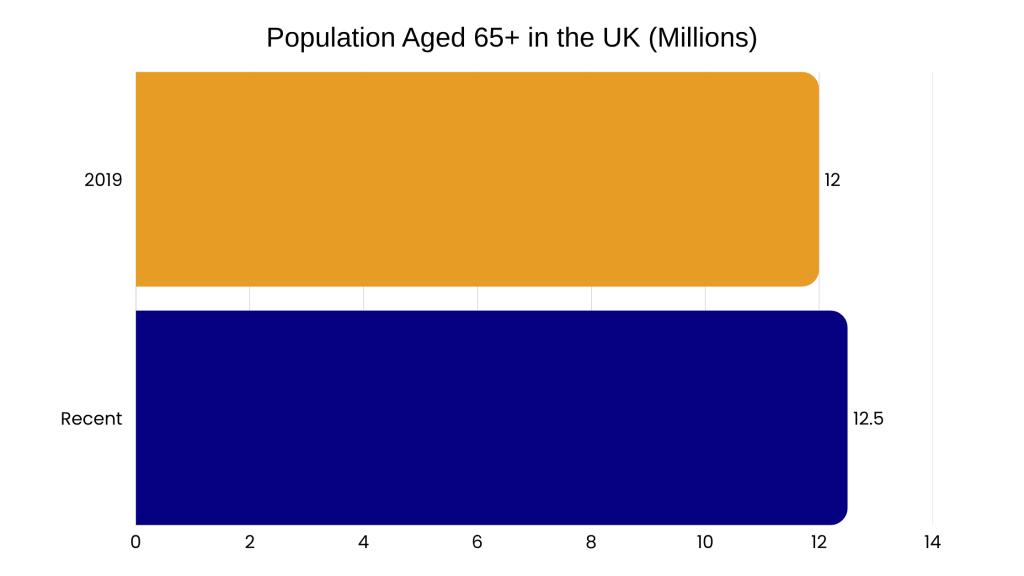
With many of those individuals requiring varying levels of support, both full-time and part-time carers have become increasingly essential for meeting the country’s growing care needs. This increasing need for support has fuelled demand for both full-time and part-time carers.
“A part-time care job in Abingdon can be more than a job—it can be your first step into a fulfilling career in social care.”
If you’ve ever wondered whether you can pursue a caring role alongside other commitments, like education or family responsibilities, the answer is yes. Becoming a part-time carer is not only possible but also immensely rewarding. This blog will guide you through what it means to work as a part-time carer, the benefits, the challenges, and how Care With Dignity Partnerships can support you in this fulfilling career.
What Does It Mean to Be a Part-Time Carer?
Understanding the Role
A part-time carer provides essential support to individuals who may be elderly,
living with disabilities, or recovering from illness. The care you provide helps these individuals live as independently as possible while maintaining their dignity and quality of life. Unlike full-time roles, part-time carers typically work more flexible hours, making this career choice particularly attractive for those with other commitments.
Duties and Responsibilities
The scope of responsibilities for a part-time carer will depend on the specific needs of the person you are supporting. Common duties can include:
- Assisting with daily tasks such as bathing, dressing, and meal preparation
- Administering medication or reminding service users to take it
- Providing companionship and emotional support
- Helping service users attend appointments or social activities
- Light housekeeping, such as tidying and laundry
Why Choose a Part-Time Caring Career?
Flexibility and Work-Life Balance
Part-time care roles are designed to accommodate varied schedules, making this a great option for individuals who may be students, parents, or transitioning to a new career. Whether you can dedicate 10 hours a week or 30, there are opportunities to fit around your lifestyle.
“A part-time care job in Abingdon gives you the flexibility to balance work and personal life while still making a difference in your community.”
Making a Meaningful Difference
Caring is much more than a job; it’s a vocation. For many, the real reward comes from knowing that their work has a positive impact on someone else’s life. Simple acts of kindness, like preparing a warm meal or providing a listening ear, can be life-changing for someone in need.
Opportunities for Personal Growth
Working as a carer equips you with invaluable soft skills, such as empathy, communication, and problem-solving. Additionally, part-time roles can serve as a stepping stone into further qualifications or full-time positions in the healthcare or social care field.
Who Can Become a Part-Time Carer?
Skills and Qualities of an Effective Carer
Successful carers come from diverse backgrounds, but they share some common traits:
- Compassion and patience
- Excellent interpersonal skills
- Reliability and attention to detail
- A commitment to safeguarding and upholding dignity
While previous experience in care can be advantageous, it’s not always a requirement. Many organisations, including Care With Dignity Partnerships, offer on-the-job training and mentorship.
Training and Qualifications
The UK government recommends achieving certain certifications, such as:
- The Care Certificate
- Level 2 or 3 Diploma in Health and Social Care
- First aid certification
These qualifications ensure that carers can provide top-tier support while prioritising safety and ethical standards. There is also an opportunity to obtain a level 4 which is the requirement for a registered care manager.
“Whether you’re starting your first care job in Abingdon or transitioning from another field, part-time caring offers a meaningful and rewarding path.”
How Flexible Are Part-Time Care Jobs?
Shift Patterns and Scheduling
One of the greatest advantages of part-time care roles is their flexibility. Shifts can vary depending on the care recipient’s needs, ranging from:
- Morning or evening shifts
- Weekend-only roles
- On-call positions or short-notice cover
Types of Part-Time Care Roles
There is no one-size-fits-all approach to care, and that’s reflected in the different roles available:
- Domestic Support Worker: Focus on hygiene, meals, and day-to-day assistance.
- Companion Carer: Provide emotional support and engage in hobbies or activities together.
- Community Support Worker: Offering personal care and support to vulnerable and in need service users.
- Specialised Carer: Work with individuals who have specific conditions, like dementia or mobility limitations.
Challenges of Being a Part-Time Carer
While the rewards of care work are abundant, it’s essential to recognise its challenges:
- Emotional Impact: Supporting someone at a vulnerable point in their life can be emotionally draining.
- Physical Demands: Helping service users with mobility or household tasks can require physical effort.
- Scheduling Conflicts: Even with part-time hours, balancing work with personal commitments may require perseverance.
At Care With Dignity Partnerships, we provide ongoing resources and guidance to ensure carers feel supported every step of the way.
How Care With Dignity Partnerships Supports Part-Time Carers
Training Programmes
We understand that not everyone starts their journey with prior experience. That’s why we offer
comprehensive training tailored to each carer’s role. From first aid courses to health and safety workshops, we ensure that every carer is equipped to provide the highest standard of support.
Ongoing Support and Career Development
At Care With Dignity Partnerships, we view our carers as part of a wider family. Alongside regular check-ins, we offer mentoring opportunities and access to additional qualifications should you wish to progress in your career.
Flexible Work Opportunities
A significant part of our ethos is understanding that each carer has unique needs and obligations. Whether you’re looking for minimal hours or a busier schedule, our coordination team works closely with you to arrange shifts that suit your availability.
Getting Started
Becoming a part-time carer offers a flexible, fulfilling career path that works around your lifestyle. Beyond providing compassionate support to those in need, this role allows you to do meaningful work, develop essential life skills, and make a real impact on your community.
At Care With Dignity Partnerships, we’re committed to supporting your journey, whether you’re entering the care field for the first time or transitioning from a different career. With our training, mentorship, and flexible work opportunities, we make it easier than ever for you to join our team and thrive.
Are you ready to start a career that blends flexibility with purpose? Contact Care With Dignity Partnerships today to learn more about our part-time caring roles. Let’s work together to provide care that respects and uplifts those who need it most.