
Caring for People with Parkinson’s Disease at Home
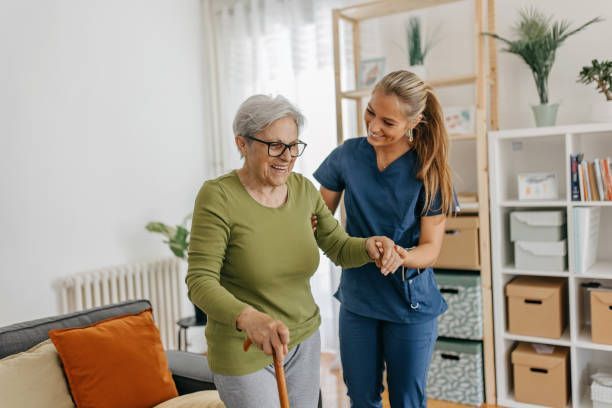
Parkinson’s disease affects more than 145,000 people in the UK. For many, staying at home while managing the condition is very important. Home care offers a personal and dignified way to support people, helping them remain independent for as long as possible.
At
Care With Dignity Partnerships, based in Abingdon, we know that Parkinson’s care needs a flexible, tailored approach. In this guide, we’ll explain what Parkinson’s is, how home care can help, and how we train our carers to give the best possible support.
What is Parkinson’s Disease?
Parkinson’s is a condition that affects the brain. It happens when the brain makes less dopamine — a chemical that helps control movement.
Common symptoms include:
- Shaking or tremors
- Slow movements
- Muscle stiffness
- Balance problems and risk of falls
- Trouble sleeping
- Mood or memory changes
There’s no cure yet, but with the right care, people can still live fulfilling lives.
Why Home Care Helps People with Parkinson’s
Being at home offers comfort, routine, and independence. Parkinson’s changes over time, so having flexible support is vital.
“For people with Parkinson’s, home care isn’t just about support — it’s about dignity, confidence, and staying connected to the life they know.”
Key benefits of home care include:
Personalised support – care plans that match individual needs
Independence – encouraging daily routines and confidence
Familiar surroundings – less stress and confusion
Medication support – reminders to take medicine on time
Ongoing monitoring – carers notice changes and share concerns with families or doctors
Daily Challenges and How Carers Help
1. Mobility and fall risks
- Remove hazards around the home
- Help with moving safely in and out of chairs or bed
- Support gentle exercise for strength and balance
2. Medication timing
- Give reminders at the right times
- Report side effects or concerns to medical professionals
3. Eating and swallowing
- Prepare easy-to-swallow meals
- Encourage fluids and fibre
- Notice and report any changes in swallowing
4. Mental health and isolation
- Offer companionship and conversation
- Encourage hobbies or light social activities
- Monitor changes in mood and share with families or GPs
How We Train Our Carers
At Care With Dignity Partnerships, we provide specialist training so our team feels confident supporting service users with Parkinson’s. Training covers:
- Recognising symptoms
- Safe mobility and handling techniques
- Communication skills, especially when speech is affected
- Person-centred care to maintain dignity and independence
Working in Parkinson’s Care: A Rewarding Role
Caring for people with Parkinson’s can be challenging, but it is also one of the most rewarding paths in home care.
We offer:
- Flexible local work
- Full training, including Parkinson’s-specific modules
- Ongoing support and supervision
- Career progression opportunities
Our carers don’t just provide care — they build trust, connection, and comfort for people and their families.
“The right carer becomes more than a helper — they become a lifeline for families managing Parkinson’s together.”
Tips for Families Supporting Loved Ones with Parkinson’s
- Keep an updated list of medicines and dosages
- Encourage regular GP or specialist check-ups
- Support routine and structure in daily life
- Be patient with changes in ability or mood
- Look into extra therapies (e.g., mobility or speech support)
- Remember to look after yourself too — respite care can help
The Value of Dignified Parkinson’s Care at Home
Home care gives more than practical help — it provides comfort, stability, and compassion. For people living with Parkinson’s, this can make a big difference to daily life and help them stay independent for longer.

At Care With Dignity Partnerships, we treat every service user as we would want our own loved ones to be treated: with empathy, dignity, and respect.
Looking for Parkinson’s home care in Abingdon, or thinking about a career in care? Visit Care With Dignity Partnerships to
explore our services or
view current job openings.